
Talk to an Attorney
Talk to an Attorney

Often, we take for granted that the products we use every day are safe. Unfortunately, defective products injure consumers all too often. From defective medical devices and dangerous pharmaceuticals to faulty household appliances and vehicle part failures, these cases fall under what’s known as product liability law.
Defective product cases can sometimes overlap with other types of legal claims, such as car accidents or workers’ compensation cases. In these situations, there may be multiple layers of liability, meaning more than one party’s negligence contributed to your injury. So even if your case seems to involve only a car wreck or a workplace injury, a defective product claim might also apply if a faulty part, tool, or piece of equipment played a role in causing the harm.
Contact Us Now 334-738-4225
These theories are not mutually exclusive, meaning that a plaintiff injured by a product may bring their case under more than one of these theories. When a case is first filed, it may be impossible to know whether the defect was in the design or manufacture of a product until sufficient discovery is conducted.
The AEMLD is not a specific statute, but it is a series of cases handed down by Alabama courts that have specified the requirements for a product liability lawsuit. In addition to the AEMLD, there are other claims that people who have been injured by a defective product may be able to bring. Because of the complex nature of product liability law, always contact an experienced products liability attorney if you believe that you have been injured by an unsafe or defective product.
Our attorneys understand how to investigate design defects, manufacturing defects, and failure-to-warn claims under the Alabama Extended Manufacturer’s Liability Doctrine (AEMLD) and federal product safety standards.
Injured consumers who bring a successful product liability lawsuit are entitled to compensatory damages and, in some cases, punitive damages where a defendant’s actions have been particularly egregious. Families of individuals who have been killed by a defective product are entitled to seek punitive damages.
We can help. Contact us today for a free consultation.

Defective products can lead to severe injuries, and manufacturers, distributors, and retailers may be liable for the harm their products cause. With over 150 years of combined experience, our Montgomery defective product attorneys are skilled in handling complex product liability cases involving everything from faulty machinery to unsafe household items. Contact us today for a free consultation to discuss your case and learn how we can help you pursue compensation for medical expenses, lost wages, and other damages.
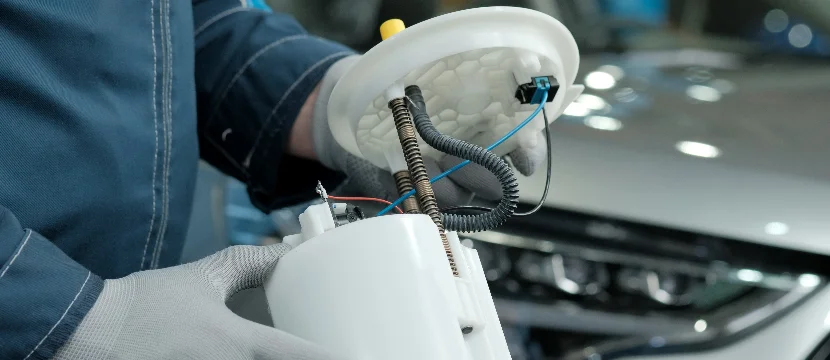
If you’ve been hurt by a faulty, recalled, or unsafe product, you probably have questions about your rights and what to do next. Our Alabama product liability attorneys answer some of the most common questions below to help you understand how these cases work, who can be held responsible, and what steps to take if you suspect a defective product caused your injury.
In Alabama, a defective product is one that causes injury when used as intended due to a design flaw, manufacturing error, or failure to warn about known risks. The Alabama Extended Manufacturer’s Liability Doctrine (AEMLD) ensures manufacturers, distributors, and sellers are held accountable for harm caused by unsafe products.
You may have a product liability claim if you were injured by a product that was unsafe, poorly designed, or lacked proper warnings. Examples include defective medical devices, faulty vehicle parts, dangerous tools, or recalled appliances. A product liability attorney can investigate and identify all responsible parties.
Several parties may share liability, including the manufacturer, supplier, wholesaler, and retailer. Each plays a role in bringing the product to market, and if negligence or a defect occurred anywhere along that chain, all may be held accountable.
Jinks Crow handles cases involving defective medical devices, auto parts, appliances, children’s products, industrial equipment, and consumer goods. We also take on claims related to design defects, manufacturing defects, and failure-to-warn issues.
Yes. Sometimes a workplace injury caused by a defective tool, machine, or safety device may lead to both a workers’ compensation claim and a product liability lawsuit . You could have a right to recover beyond workers’ comp benefits if a third party’s negligence contributed to your injury.
Seek medical attention right away, and preserve the product, packaging, and receipts . Take photos of your injuries and the defective item. Then, contact an Alabama defective product lawyer at Jinks Crow who can evaluate your case and determine whether you have a valid claim.
In Alabama, the general statute of limitations for personal injury claims, including product liability, is two years from the date of injury. However, deadlines can vary depending on the facts of your case, so it’s important to speak with an attorney as soon as possible.
Not always. Many product liability cases operate under strict liability, meaning you only need to show that the product was defective and caused your injury when used as intended. Proving manufacturer negligence is not required in such cases.
Compensation may include medical expenses, lost wages, pain and suffering, disability, and property damage. In cases of extreme negligence or willful misconduct, punitive damages may also be available to hold the manufacturer accountable.
Jinks Crow brings decades of expertise in handling complex product liability and injury cases across Alabama. Our seasoned trial lawyers have the resources to challenge major manufacturers and insurers, ensuring you receive the full and fair compensation you deserve.

Managing Attorney

Attorney

Attorney

Attorney

Attorney

"*" indicates required fields
Copyright © 2026 Jinks Crow, PC. • All Rights Reserved. Disclaimer | Site Map | Privacy Policy. Digital Marketing By: 
*Images are obtained under license from Canva and other third-party stock image providers, with attribution included where required.