
Talk to an Attorney
Talk to an Attorney


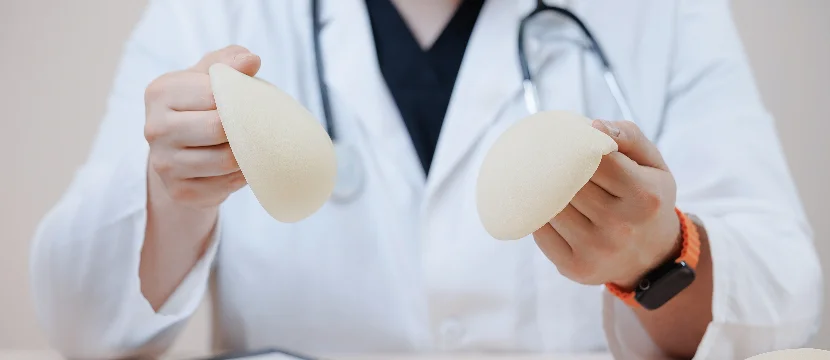
Breast mesh, scaffold, and acellular dermal matrix (ADM) products are used by surgeons during breast reconstruction (following mastectomy or lumpectomy), mastopexy (breast lift), augmentation, reduction, and revision surgery. Manufacturers often market these products as an “internal bra,” describing them as soft-tissue support or scaffold reinforcement meant to hold implants and tissue in place while the body heals.
Unfortunately, patients across the country have experienced serious complications tied to these products from infection and mesh migration to tissue necrosis, implant loss, and additional surgeries to remove or repair the damage.
Contact Us Now 334-738-4225
This litigation covers mesh, scaffold, and ADM products used in breast surgery, including but not limited to:
With decades of combined experience in product liability and mass tort litigation, Jinks Crow gives breast mesh clients access to national litigation resources with the personal attention of a firm that will keep you informed every step of the way.
Breast mesh and acellular dermal matrix (ADM) products are surgical materials used to add internal support during breast reconstruction, mastopexy (breast lift), augmentation, reduction, or revision surgery. They are sometimes described by manufacturers as an “internal bra,” soft-tissue support, or scaffold reinforcement that helps hold implants or tissue in place while the body heals.
The litigation involves mesh, scaffold, and ADM products used during breast surgery, including GalaFLEX (all variants), Phasix (all variants), AlloMax, Flex HD, Strattice, SERI, SurgiMend, DuraSorb, TIGR Matrix, Vicryl Mesh, TiLOOP Bra, and other similar mesh/ADM products used in breast surgery.
Qualifying injuries generally include infection or abscess, mesh migration or shrinkage, tissue necrosis or skin erosion, severe capsular contracture or deformity, seroma, hematoma, wound dehiscence, mesh exposure or extrusion, implant loss, inflammatory or immune reactions, or any complication requiring medical intervention.
Generally, yes, you should have had a subsequent surgery to remove, repair, or address mesh-related complications, or have compelling non-surgical complications (such as chronic pain or deformity) where a revision has been medically recommended but not yet performed.
Yes. These claims are subject to strict statute of limitations rules tied to the timing of your revision surgery, or applicable wrongful death deadlines in the case of a death. These windows can close quickly, so it’s important to have your case reviewed as soon as possible.
No. Case evaluations are free and confidential.


"*" indicates required fields
Copyright © 2026 Jinks Crow, PC. • All Rights Reserved. Disclaimer | Site Map | Privacy Policy. Digital Marketing By: 
*Images are obtained under license from Canva and other third-party stock image providers, with attribution included where required.